Integrations
Integrations – Epic, athenahealth, eCW, and More
Connect SuperAuth.ai with your existing healthcare technology stack. Pre-built integrations with 50+ EHR systems, payer portals, and healthcare applications.



Overview
Seamless Connectivity with Your Healthcare Ecosystem
Healthcare organizations use multiple systems daily—EHRs, practice management platforms, billing software, payer portals, and more. SuperAuth.ai integrates with all of them, creating a unified authorization workflow that eliminates duplicate data entry, reduces errors, and saves countless hours.
Our pre-built integrations are developed in partnership with leading healthcare technology vendors, ensuring deep, reliable connections that go beyond basic data exchange. Whether you’re using Epic, athenahealth, eClinicalWorks, or any of 50+ other systems, SuperAuth.ai plugs in seamlessly, typically requiring no custom development.
KEY BENEFITS
Eliminate Duplicate Data Entry
Data flows automatically between systems—no more copying patient information, insurance details, or clinical notes manually across multiple platforms.
Real-Time Synchronization
Authorization status updates appear instantly in your EHR, billing system, and practice management platform—everyone stays informed with current information.
Single Sign-On Experience
Access SuperAuth.ai directly from your EHR without separate logins—seamless user experience that keeps staff working in familiar tools.
Unified Workflow
Work in the applications you already know and trust—SuperAuth.ai integrates into existing workflows without forcing disruptive system changes.

HOW IT WORKS
Integration in 5 Simple Steps
Our integration specialists assess your current technology stack, data flows, and workflow requirements to create a customized integration plan.
Step 2: Configuration & SetupWe configure secure connections, map data fields between systems, set up authentication credentials, and customize how information syncs automatically.
Step 3: Testing & ValidationComplex data is transformed into intuitive visualizations—charts, graphs, heat maps, and scorecards that make insights immediately clear.Comprehensive testing in sandbox environment ensures data accuracy, workflow reliability, and user experience quality before production deployment.
Step 4: Training & DocumentationYour team receives hands-on training on the integrated workflow, documentation of data flows, and troubleshooting resources for ongoing reference.
Step 5: Go-Live & SupportProduction launch with our team monitoring closely, providing immediate issue resolution, and ensuring smooth adoption across your organization.
Epic Integration
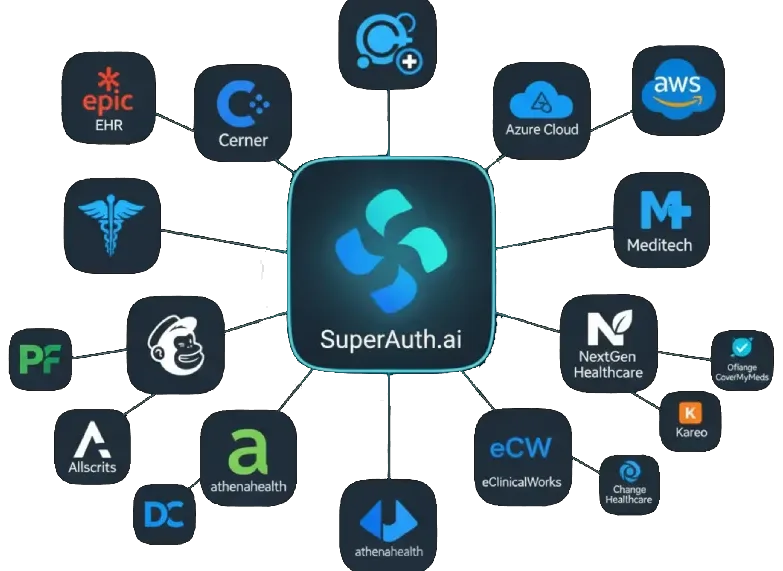
Epic App Orchard certified with native SMART on FHIR integration—embedded within Epic workflow, automatic patient context awareness, single sign-on, bi-directional data sync, and MyChart patient portal integration.
athenahealth Integration
athenahealth Marketplace certified app with native API connection—automatic eligibility checks, clinical documentation sync, billing integration, patient portal connection, and one-click authorization from athenaOne.
eClinicalWorks Integration
eCW Partner Network certified integration—CCM/CCDA document exchange, Direct messaging support, patient demographics sync, prescription integration, lab interface, and embedded eCW interface.
Cerner Integration
Cerner Code certified with PowerChart integration—HL7 interface engine, real-time ADT feeds, medication synchronization, lab/radiology integration, unified authentication, and launch from Cerner workflows.
NextGen Healthcare Integration
Direct API integration with NextGen EPM and EHR—automatic eligibility checks, clinical documentation sync, authorization requests from orders, billing integration, and patient demographics auto-retrieval.
Allscripts Integration
Allscripts Developer Program partner—Professional EHR and TouchWorks connectivity, CCM/CCDA document exchange, patient data synchronization, prescription integration, and unified platform access.
INTEGRATION FEATURES
Data Synchronization
Real-time bidirectional sync, conflict resolution logic, automatic error handling, intelligent retry mechanisms, transaction integrity, and complete audit logging.
Security & Compliance
Encrypted connections (TLS 1.3), OAuth 2.0 authentication, certificate-based authentication option, IP whitelisting, secure credential management, and full audit trails.
Reliability & Monitoring
Automatic retry on temporary failures, queue management, transaction integrity checks, error notifications, real-time monitoring dashboard, and health status tracking.
Flexibility & Customization
Custom field mapping, data transformation rules, conditional logic, workflow triggers, event-based automation, and custom business rules.
Custom Service
Need a Custom Integration? We Build It
For systems not yet supported with pre-built integrations, our professional services team builds custom connections tailored to your specific requirements.
Phase 1: Discovery (1-2 weeks) Requirements gathering, technical system assessment, integration architecture design, timeline estimation, and cost proposal.
Phase 2: Development (4-8 weeks) Custom connector development, API integration, data mapping, security implementation, error handling, and comprehensive testing.
Phase 3: Deployment (1-2 weeks) Production deployment, monitoring setup, staff training, documentation delivery, and go-live support.
Phase 4: Ongoing Support Maintenance and updates, performance monitoring, issue resolution, and version compatibility.
Typical Custom Integration Timeline: 6-12 weeks Starting Investment: Contact sales for custom quote
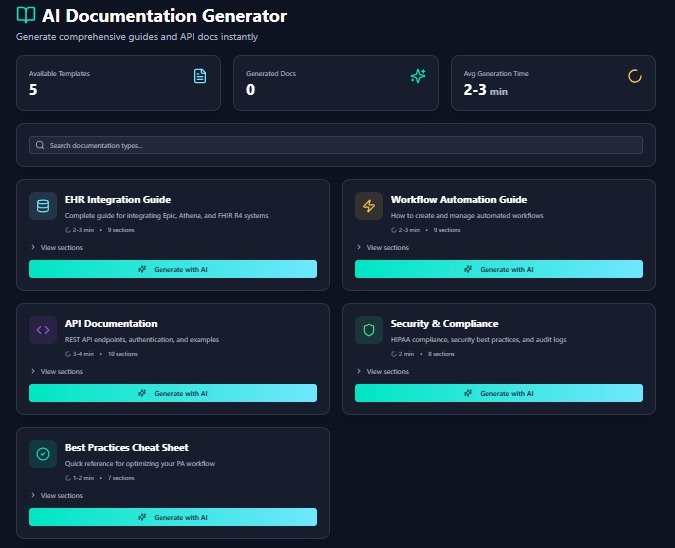
IMPLEMENTATION PROCESS
How Integration Implementation Works
Week 1: Discovery & Planning
Identify integration requirements, review existing technology systems, assess current data flows, define success criteria, and create project timeline.
Week 2: Configuration & Setup
Integration credential setup, data field mapping, workflow configuration, connection testing, and security validation.
Week 3: Testing & Validation
Data accuracy validation, test all integration scenarios, user acceptance testing, performance verification, and edge case handling.
Week 3-4: Training
Administrator training sessions, end-user training, documentation review, workflow walkthroughs, Q&A sessions, and hands-on practice.
Week 4: Production Go-Live
Production environment cutover, real-time monitoring activation, support team availability, performance validation, and user feedback collection.
Ongoing: Optimization
Monitor performance metrics, gather user feedback, make workflow adjustments, continuous improvement, and feature enablement.
Have Any Questions?
Find answers to commonly asked questions about SuperAuth.ai’s platform, features, and implementation process.
How long does a typical EHR integration take?
Pre-built EHR integrations typically complete in 2-4 weeks including configuration, testing, and training. Custom integrations may require 6-12 weeks depending on complexity.
Will integration disrupt our current workflows?
No. We schedule implementation during low-volume periods, provide parallel testing, and ensure seamless transition with minimal disruption to daily operations.
What if we change EHR systems in the future?
SuperAuth.ai data is fully portable. When changing EHR systems, we assist with data migration and configure integration with your new system.x`
Can we integrate with multiple systems simultaneously?
Yes. Most healthcare organizations integrate SuperAuth.ai with multiple systems—EHR, practice management, clearinghouse, and payer portals—for comprehensive workflow coverage.
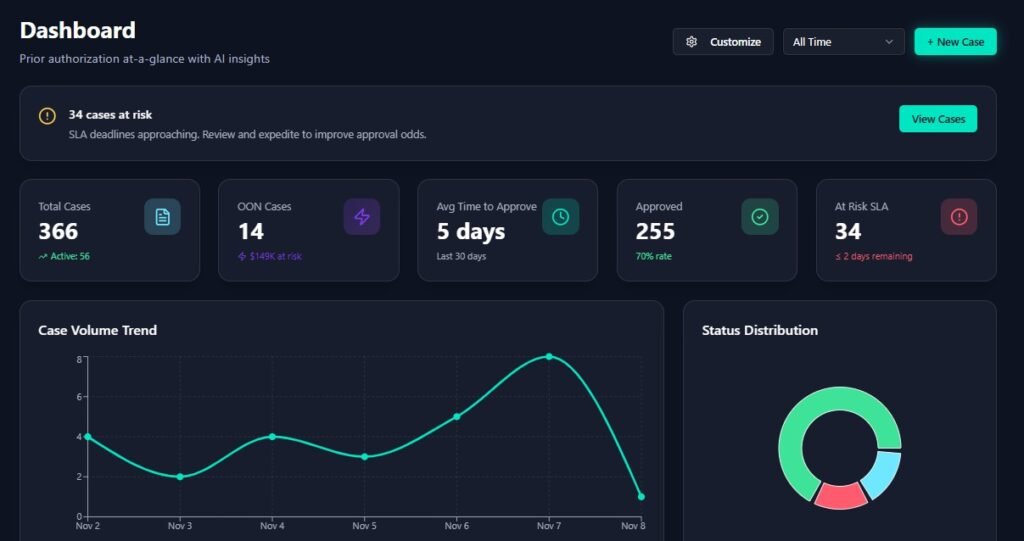

Transforming prior authorization with AI-powered automation. Get approvals faster, reduce administrative burden, and improve patient care.